
Box & Bundle
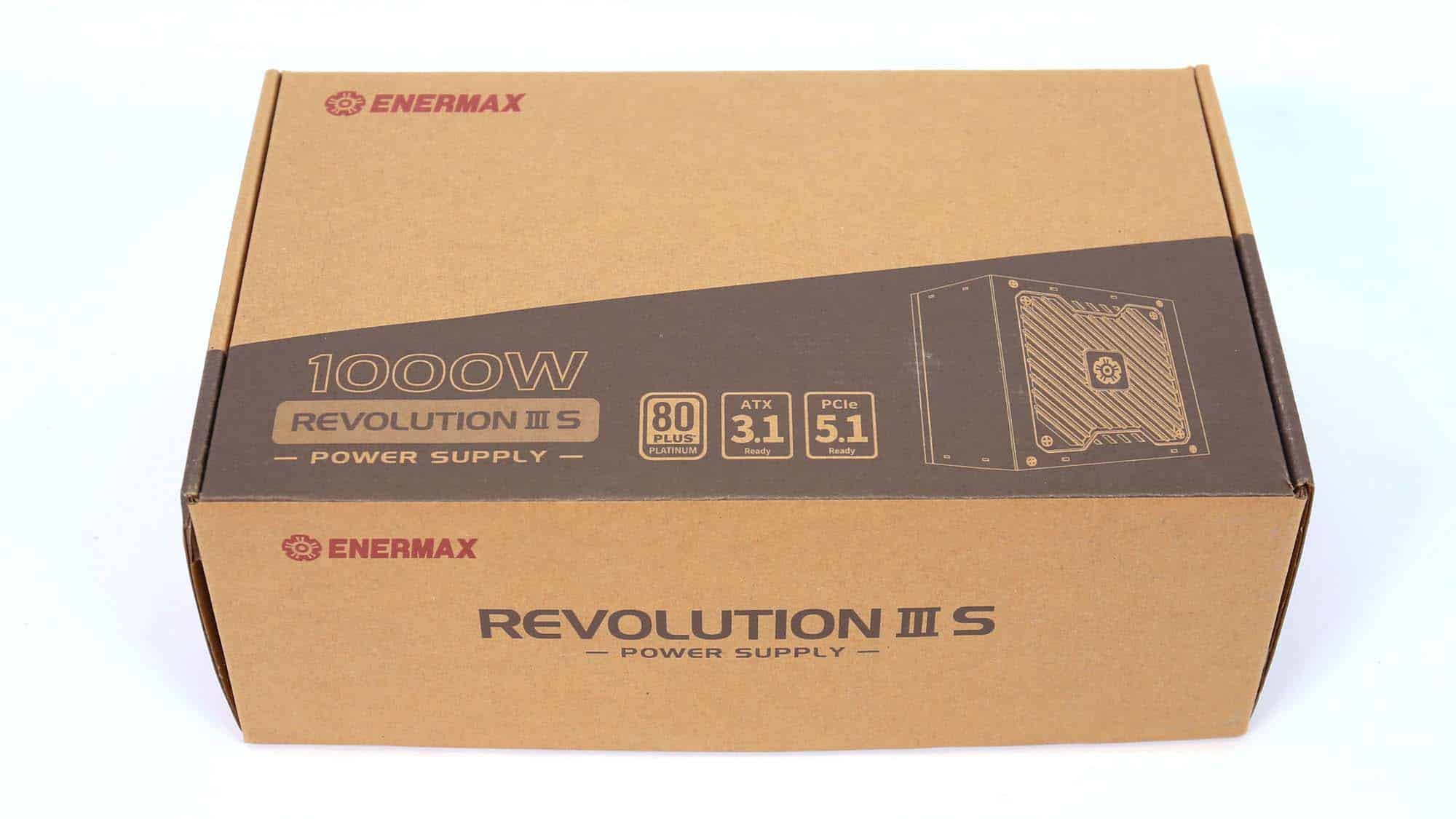
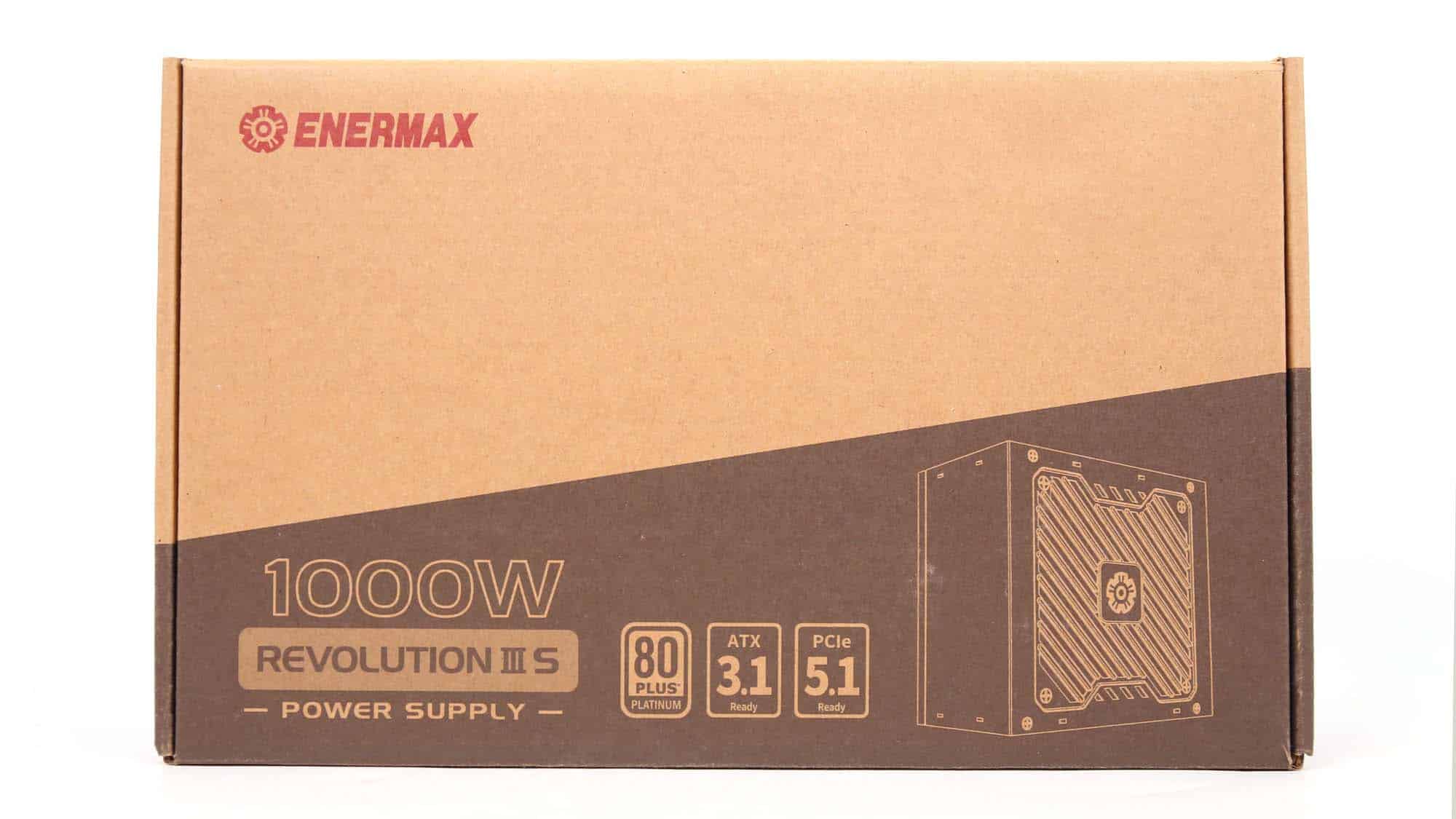
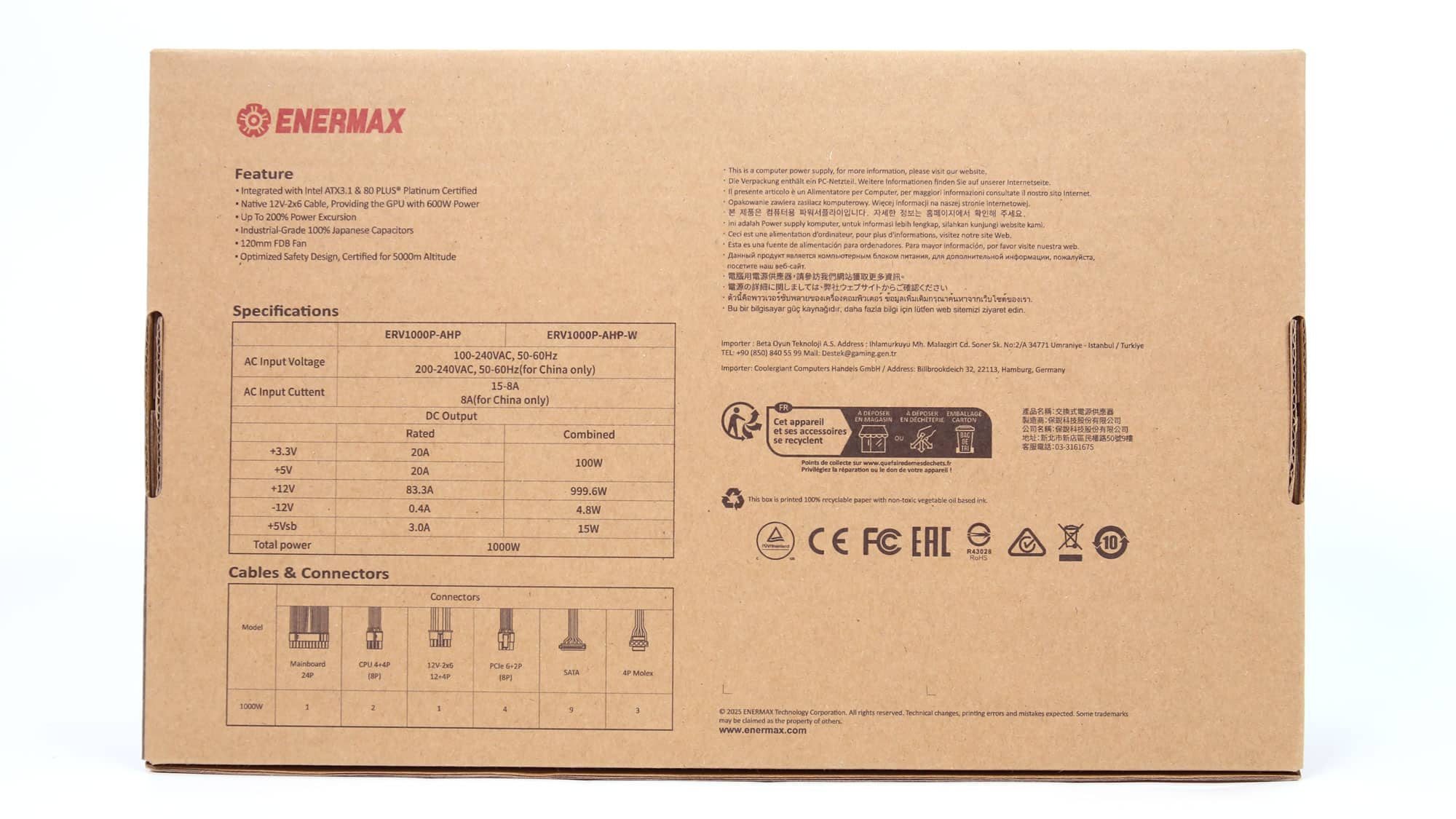
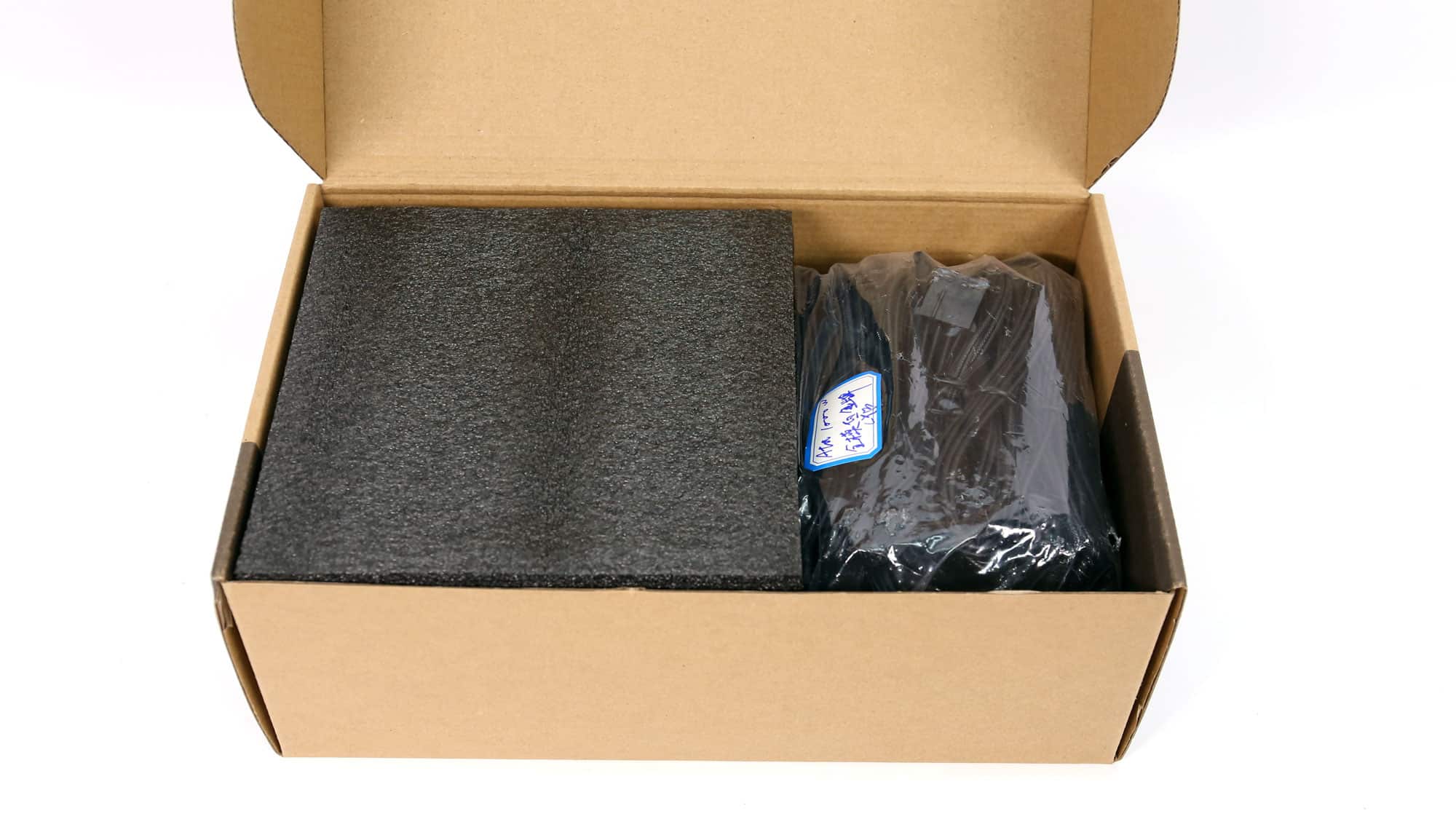
The box is plain. I am not sure if this is the final retail package for this PSU. Inside, the provided protection is good, with packing foam surrounding the PSU.
Product Photos


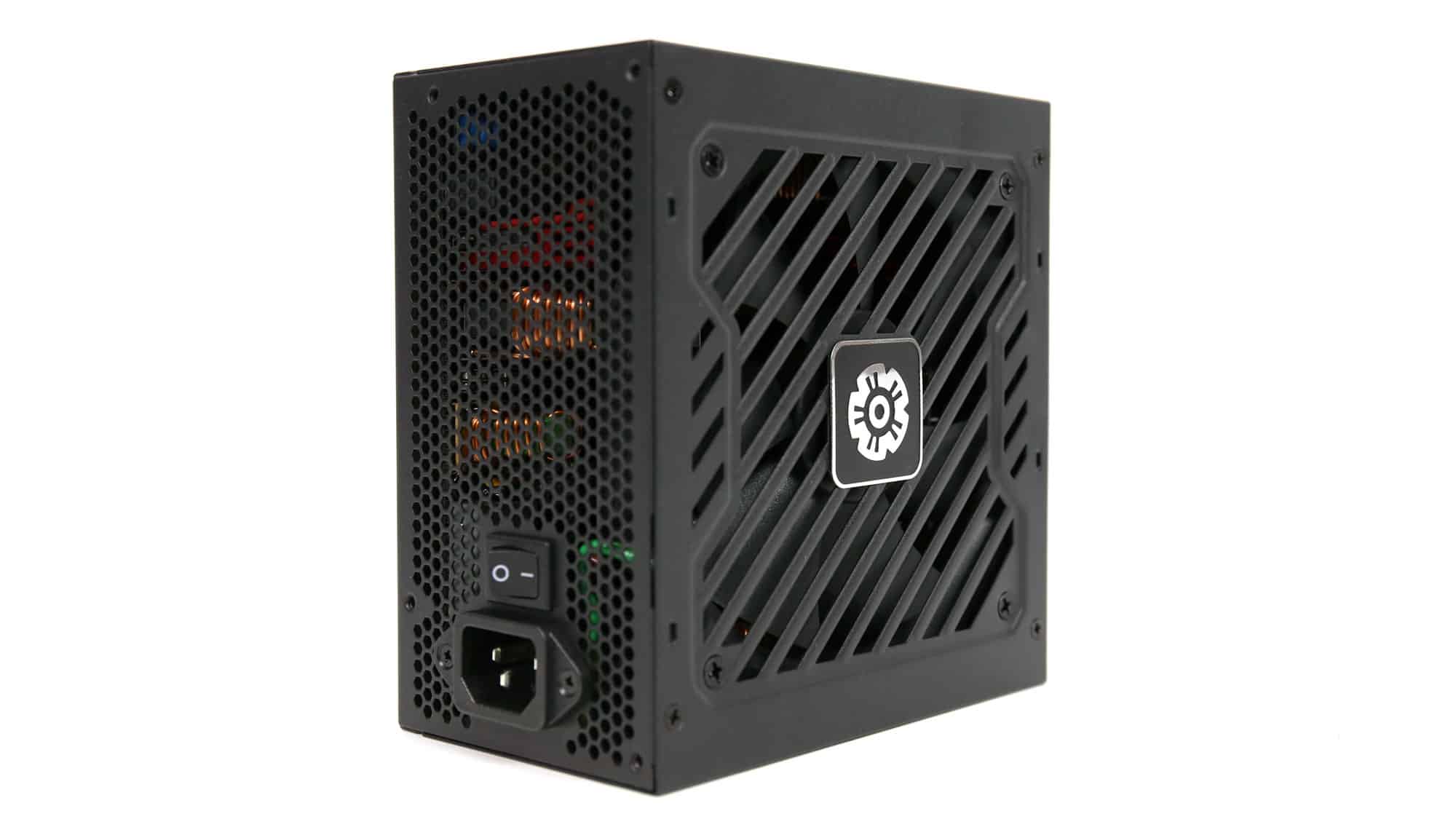

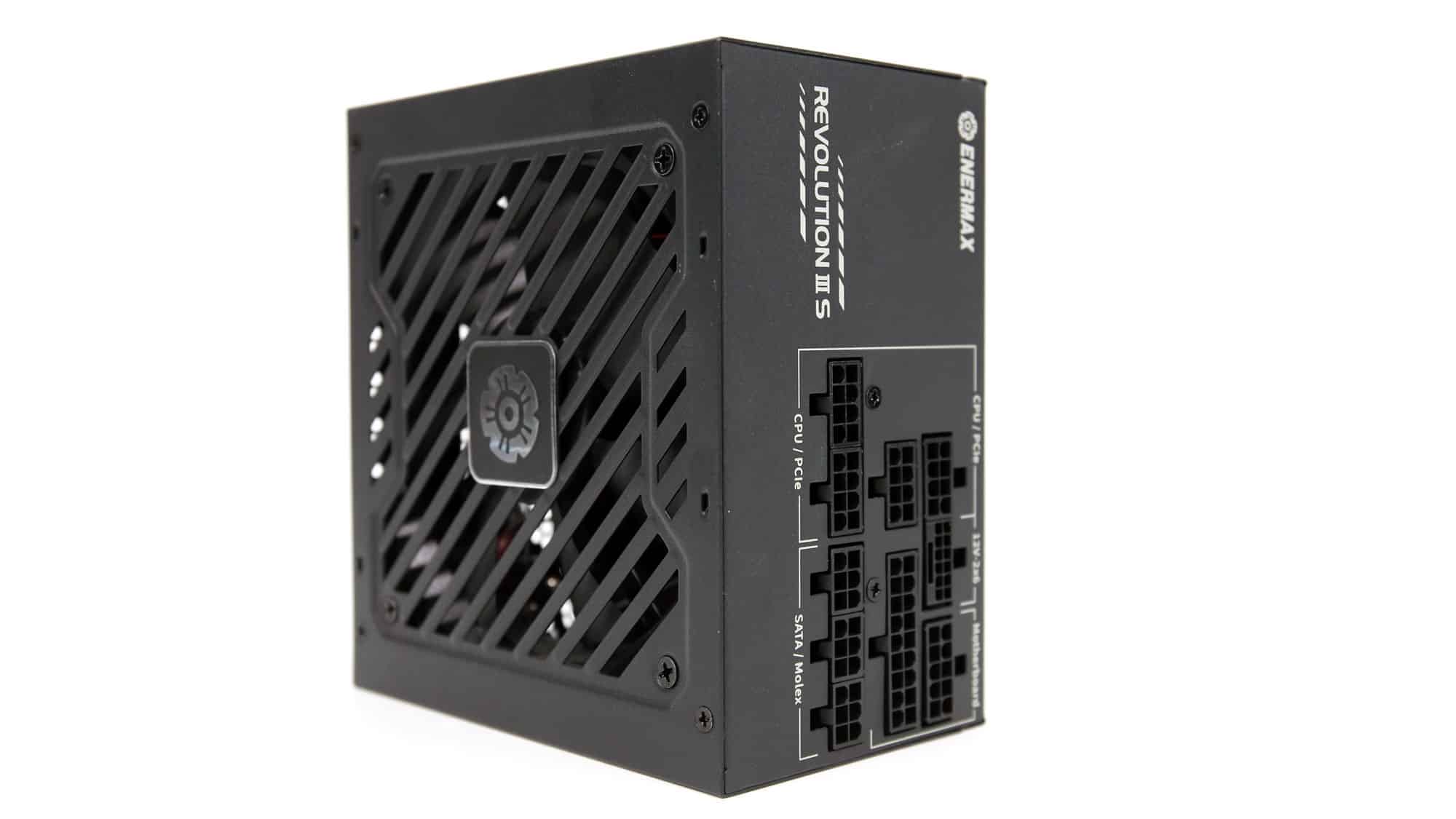
The PSU’s dimensions are compact, but what worries me is the restricted fan grille, which won’t help airflow. I don’t know why some brands prioritize design over usability and performance.
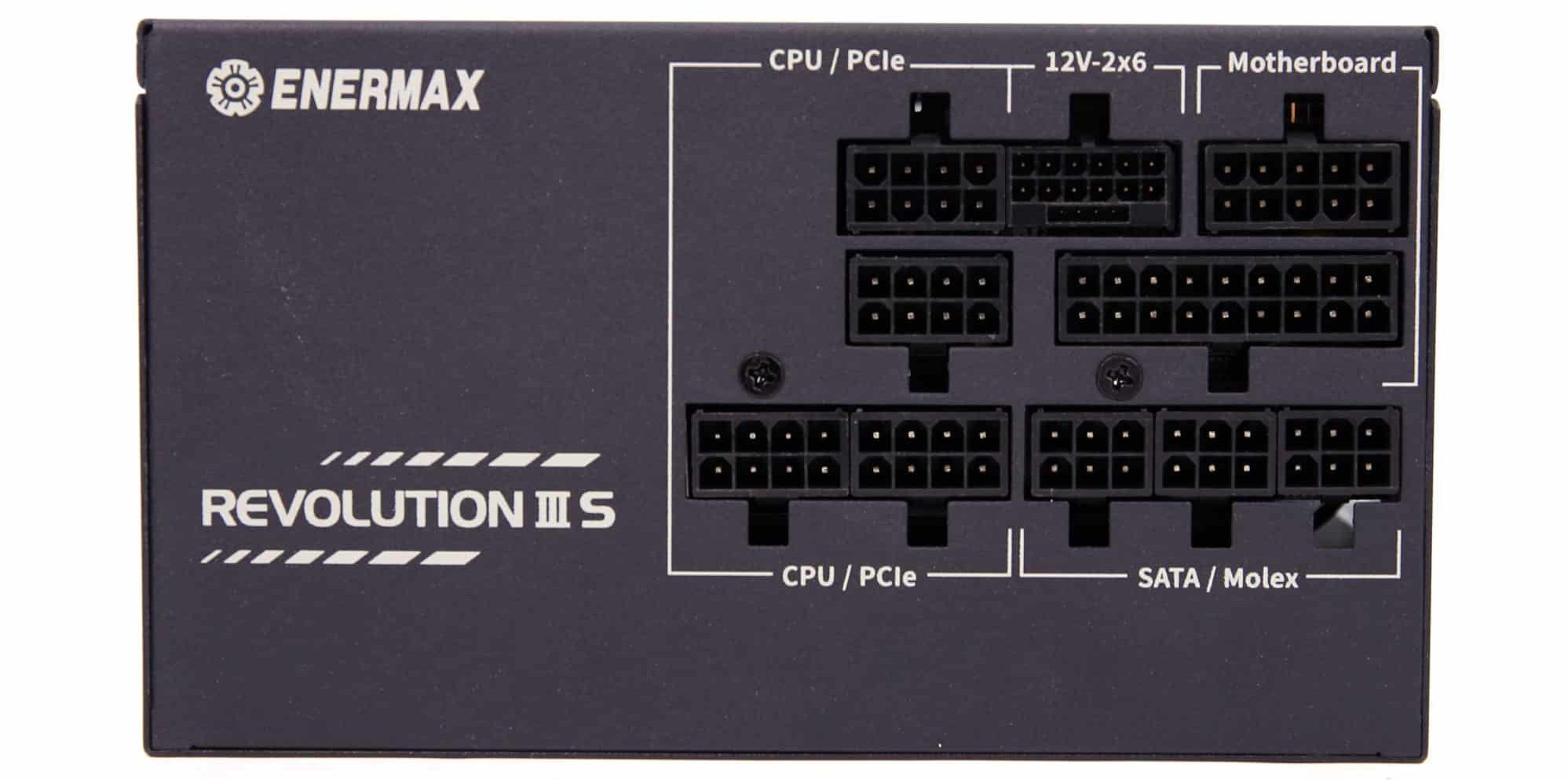
The modular panel has ten sockets, including a native 12V-2×6 header. The modular panel is relatively small, so the corresponding headers are close together, limiting usability.
| Modular Cables | ||||
| Description | Cable Count | Connector Count (Total) | Gauge | Cable Type |
|---|---|---|---|---|
| ATX connector 20+4 pin (600mm) | 1 | 1 | 18-22AWG | Tinned Copper |
| 4+4 pin ATX12V (650mm) | 2 | 2 | 18AWG | Tinned Copper |
| 2x 6+2 pin PCIe (600mm) | 2 | 2 | 18AWG | Tinned Copper |
| 6+2 pin PCIe (600mm) | 2 | 2 | 16AWG | Tinned Copper |
| 12+4 pin PCIe (600mm) (600W) | 1 | 1 | 16-24AWG | Tinned Copper |
| SATA (500mm+150mm+150mm) / 4-pin Molex (+150mm) | 3 | 9 / 3 | 18AWG | Tinned Copper |
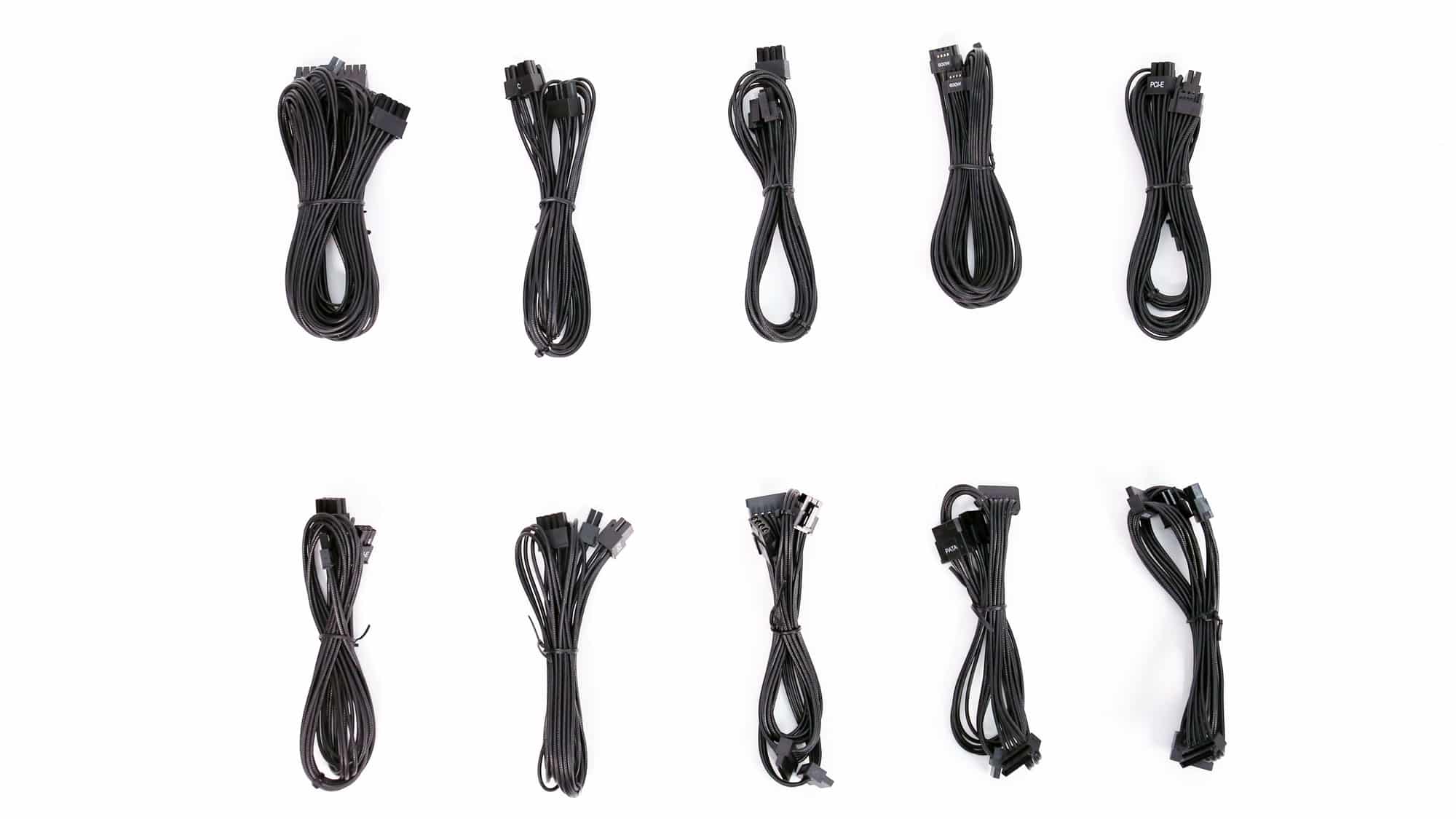
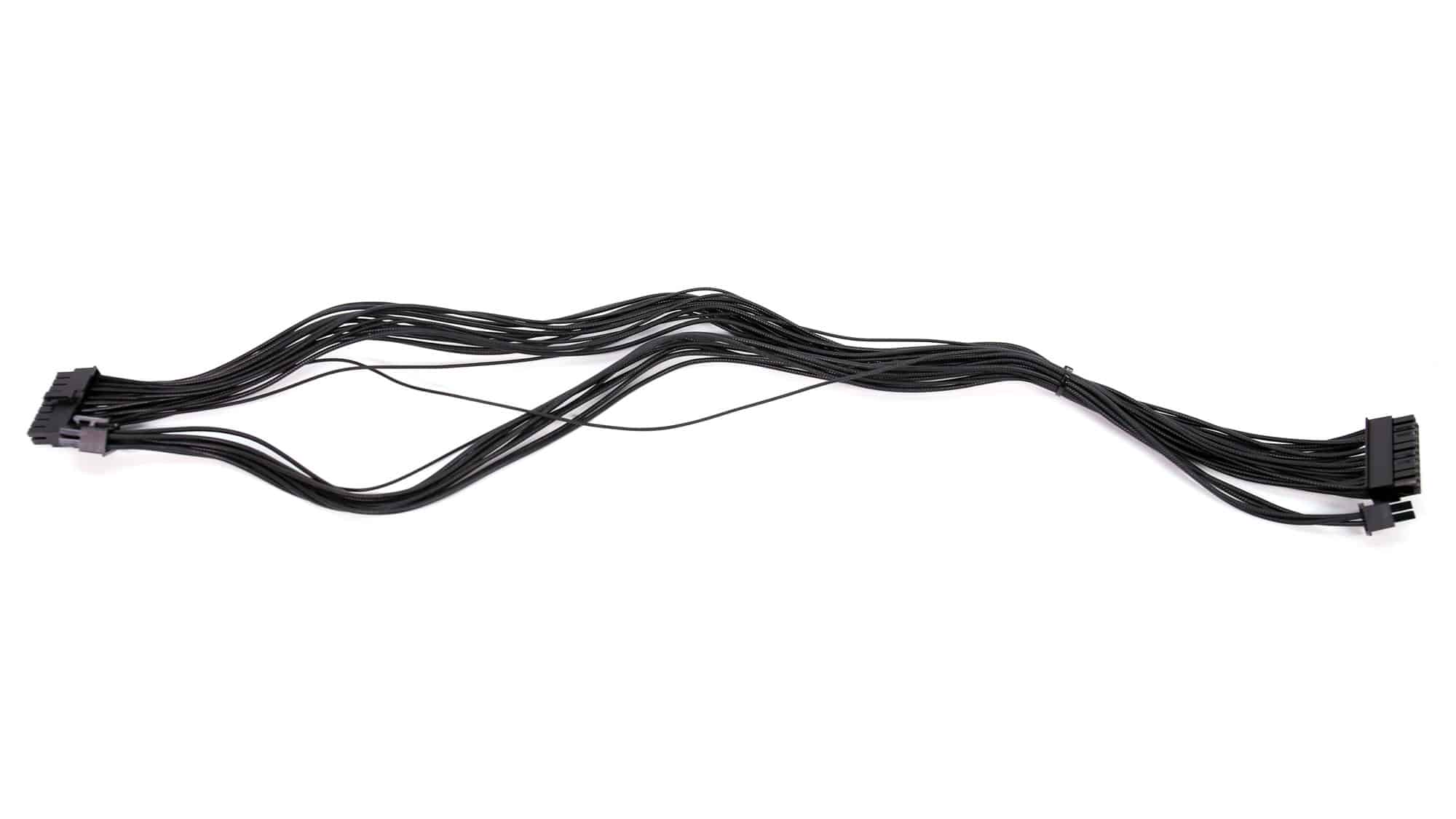

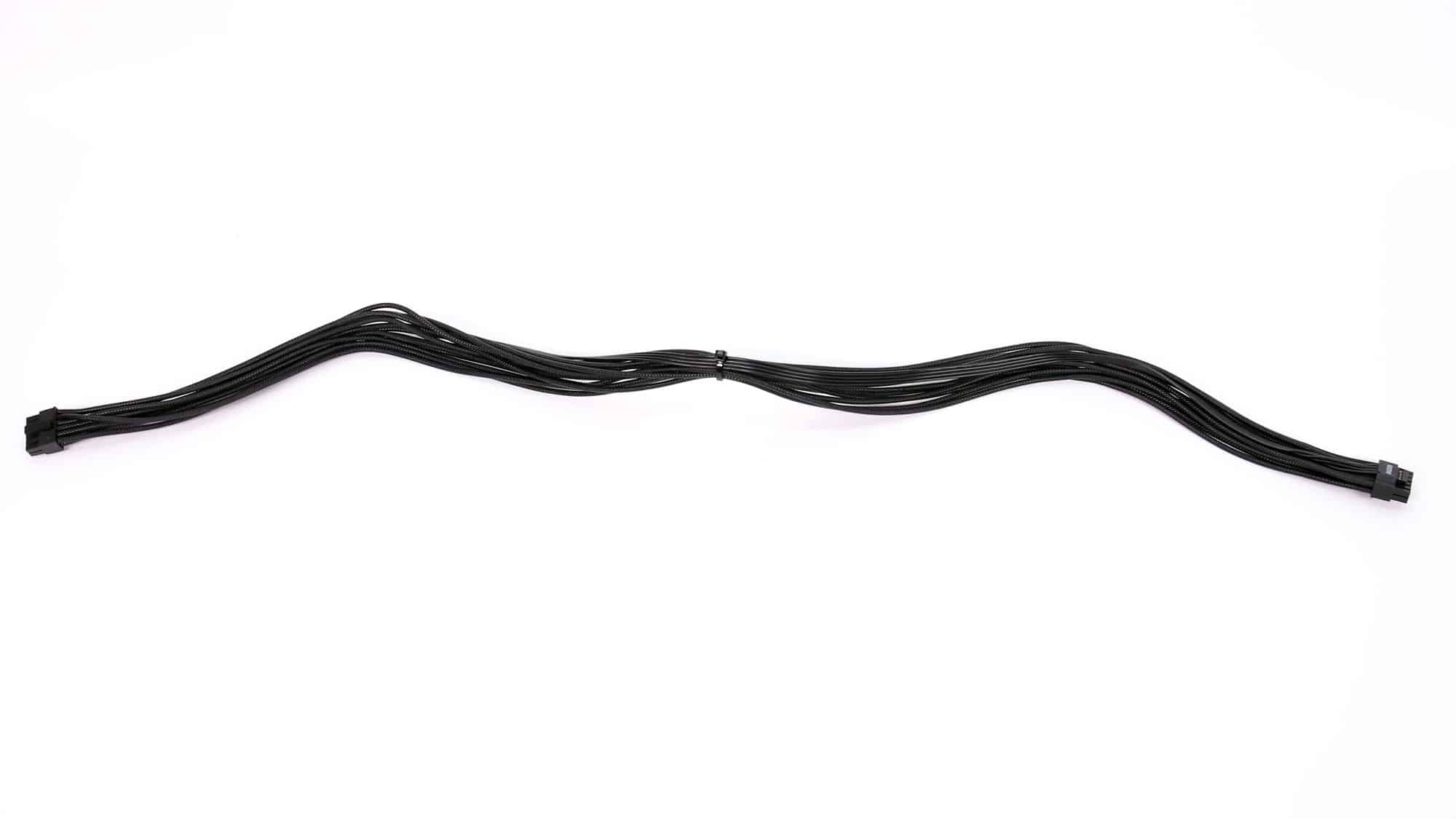
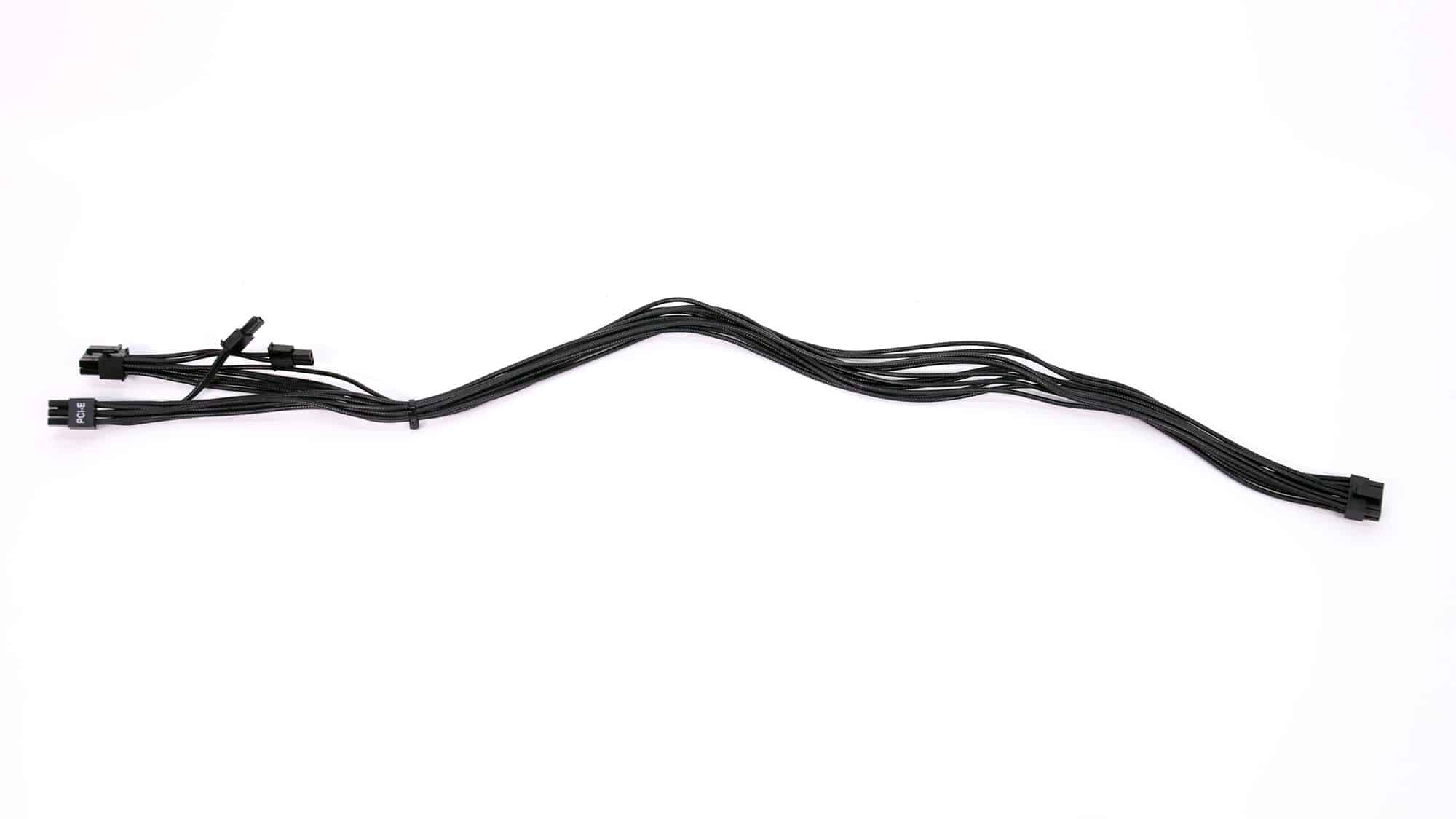

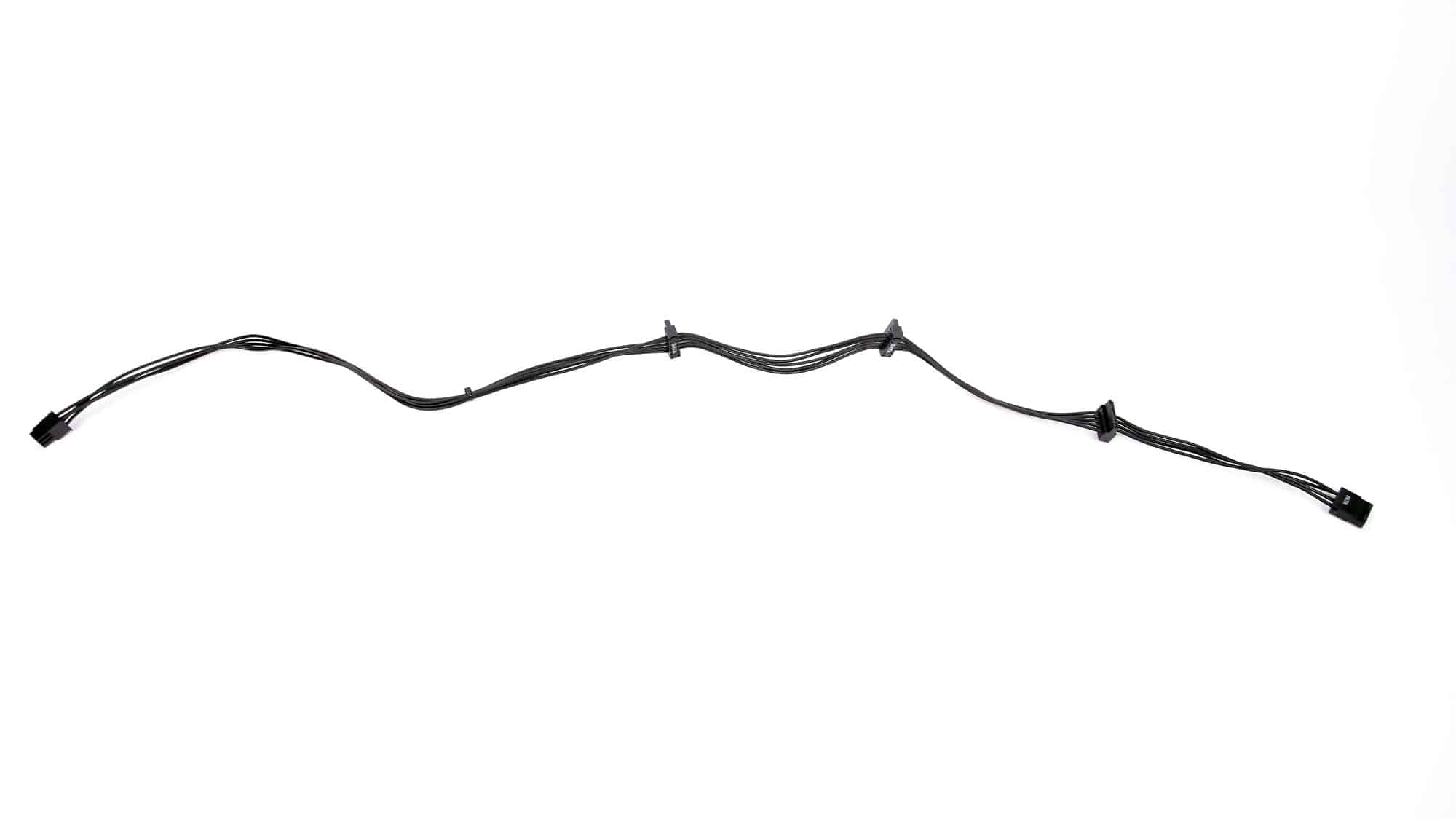
The cables are long enough, and most use the standard 18AWG gauges. Thicker (16 AWG) gauges provide lower voltage drops at high loads, so they are preferable for high-wattage PSUs and in connectors where high currents usually pass. This is why 16AWG gauges are imperative for 12V-2×6 cables.
The number of peripheral connectors is sufficient, and the same is true for the distance between them.
The Cybenetics report indicates that this power supply is compliant with ATX 3.1; however, the transient testing results show issues on the 3.3 V rail.
Could you clarify how ATX 3.1 pass/fail determinations are defined in your methodology? Specifically, how are transient deviations on secondary rails, such as the 3.3 V rail, evaluated when concluding overall ATX 3.1 compliance?
Reference:
Cybenetics ATX 3.1 PASS Report
https://www.cybenetics.com/evaluations/psus/2971/
Which transient response results are you referring to? The transient response tests with normal loads, which I do, and without capacitors? These are my tests; they are not included in any ATX spec. I have been conducting these for many years now, and they are there to compare all PSUs with load on all rails directly.
The ATX v3.1 uses an entirely different transient response load scheme, which Cybenetics adopts, to check against this standard.
This standard is open, so you can study it and look at what it says about transient report testing.
based on your experience did unicon caps was better than toshin kogyo or similar with nippon chemicon, rubycon or nichicon ?
I don’t think they are better than the well-known caps, especially the last three brands you mention.
so it’s basically same tier as TK ?
I don’t have a clue unless I check enough capacitors from Unicon and TK
but did it basically same as TK, japan caps made in chinese factory ?
Interestingly, SAMA P uses a different RSY platform and shows excellent results.
Hi, Aris, do you have any idea why BeQuiet lists Cybenetics Gold efficiency and Noise A+ in its marketing materials, when all Pure Power 13 M PSUs achieved Platinum and A++?
Did they change anything after your tests or why?
They can always downgrade the badges, but never upgrade them.
…they certainly can, but what’s the point, from a marketing point of view,
…probably none.
Maybe they’re not sure about the manufacturing tolerances, who knows 👀