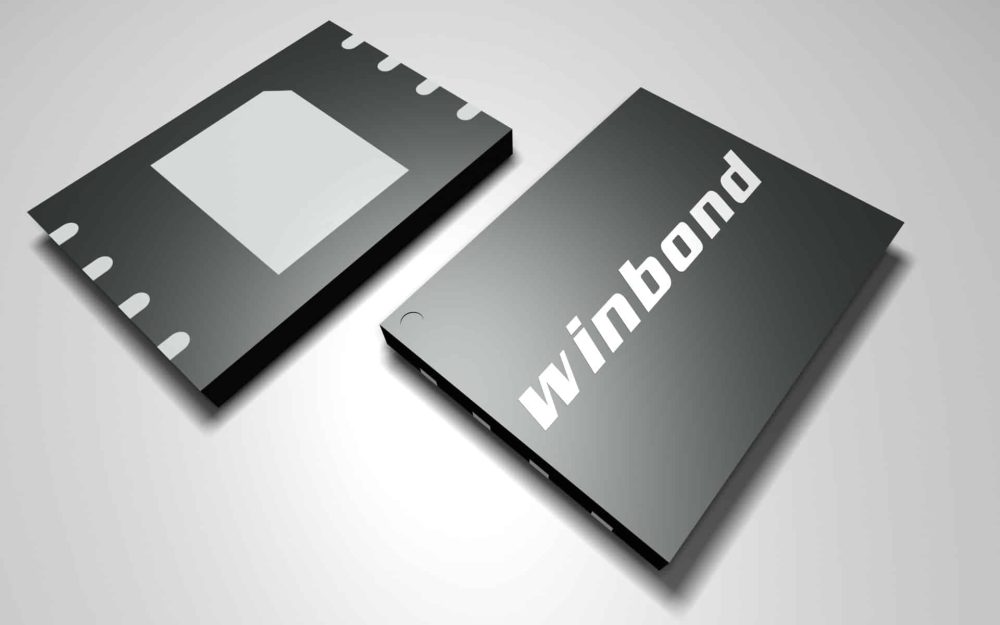
With the world facing a severe shortage of memory chips, Taiwan’s Winbond is stepping up. The company has launched a new 8Gb DDR4 DRAM built on its advanced 16nm process, aiming to ease pressure on industries that still rely heavily on DDR4.
DDR4 Use
While big players like Samsung and SK Hynix have shifted much of their production to newer DDR5 chips, many devices, including TVs, servers, networking hardware, and industrial PCs, still depend on DDR4. The problem is that supply has dropped sharply, and upgrading to DDR5 is expensive for many manufacturers.
Winbond is one of the few companies still expanding DDR4 production, giving customers a much-needed alternative.
What’s New
Winbond’s new 8Gb DDR4 chip delivers:
- Higher speeds up to 3600 Mbps, the fastest in the DDR4 category
- Lower power consumption
- Smaller die size for better wafer productivity
- Improved signal integrity and reduced leakage thanks to the 16nm process
This means customers can pack more memory into the same footprint while keeping costs down, a major advantage in long-lifecycle, industrial, and embedded systems.
A Stable Supply Chain
As a fully in-house Taiwanese manufacturer, Winbond controls the entire process from design to production. This helps ensure a more predictable supply at a time when global shortages are causing price spikes, rationing, and long delays.
More 16nm Memory On The Way
Winbond isn’t stopping with DDR4. The company is already developing three more next-generation memory products using the same 16nm technology:
- CUBE DRAM
- 8Gb LPDDR4
- 16Gb DDR4
These additions will further boost supply for sectors that can’t transition to DDR5 anytime soon.
A Small But Important Boost
Winbond’s expanded production won’t solve the global DRAM shortage on its own, but in a market where the biggest suppliers are prioritizing AI memory over everything else, even modest increases matter.