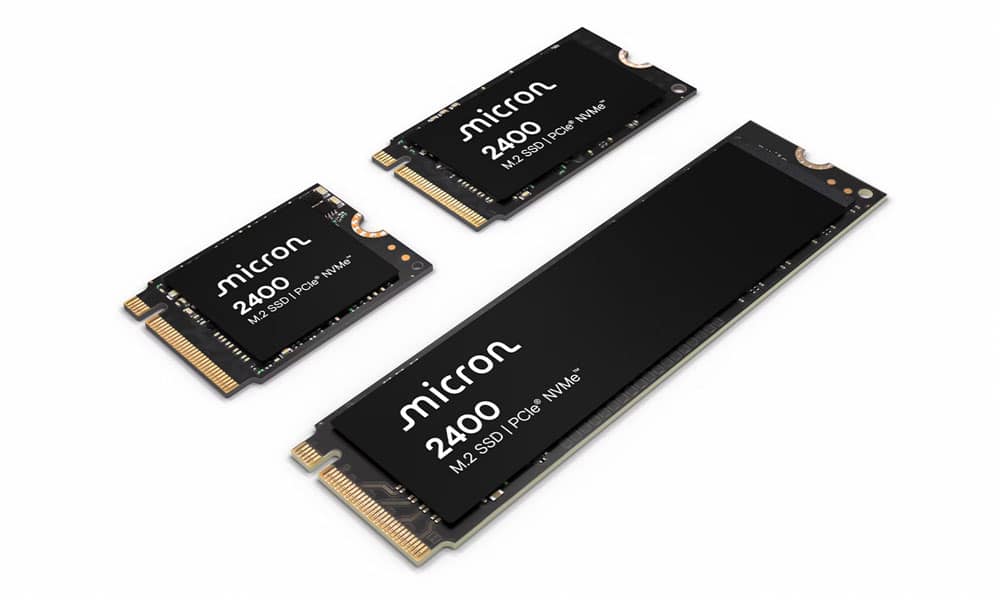
If you’ve been tracking PC hardware prices lately, you may have noticed a worrying trend: NVMe SSDs are getting more expensive. While the increases are still modest, they mirror a much bigger issue already hitting DDR5 memory, booming AI demand that’s tightening global memory supply.
Price data from PCPartPicker shows NVMe SSD prices have been creeping up since late 2025, especially for smaller-capacity drives like 256GB and 512GB models. These entry-level and midrange SSDs are seeing the sharpest movement as manufacturers redirect NAND flash toward higher-profit enterprise and AI data center products.
The good news? Unlike DDR5 RAM, which has surged by more than 200% in recent months SSD price increases are still manageable. Most consumers are seeing hikes of around £20–£25 compared to late 2024 prices. In some cases, SSDs are still cheaper than they were at launch, thanks to years of declining NAND costs.
However, industry leaders are warning that this may not last. Companies like Phison and Kingston say NAND supply could remain tight well into 2027 as AI data centers continue to soak up massive amounts of memory and storage. Samsung is also reportedly scaling back SATA SSD production, which could further squeeze budget storage options.
For now, the advice is simple: if you’re planning an NVMe upgrade, buying sooner rather than later still makes sense. Prices aren’t exploding, but the upward trend is clear.
AMD GPUs May Get More Expensive as Memory Costs Rise
Gamers could soon be paying more for AMD graphics cards. According to reports from Chinese Board Channels, AMD is preparing price increases across its GPU lineup, driven primarily by rising memory costs.
The reported plan includes a $20 increase for 8GB models and $40 for 16GB GPUs. Once additional costs from board partners are factored in, end users could see prices rise by roughly 300 RMB ($40+) for 8GB cards and up to 600 RMB ($85) for 16GB models by the end of 2025.
This isn’t entirely unexpected. GPU manufacturers bundle their chips with GDDR memory, and DRAM prices have been climbing rapidly due to AI and data center demand. While AMD’s silicon costs have reportedly remained stable, memory pricing has not, forcing manufacturers and AIB partners to adjust retail pricing to protect margins.
The report also claims that AMD may not launch new consumer GPU products until 2027, suggesting the company is focused on stabilizing its current lineup rather than expanding it. AIB partners were reportedly informed earlier of a planned 10% price increase, meaning higher prices could arrive gradually over the coming weeks.
For gamers, the message is clear: if you’re considering a GPU upgrade, waiting may not lead to better deals. With memory costs rising across the industry, GPUs are unlikely to get cheaper anytime soon.