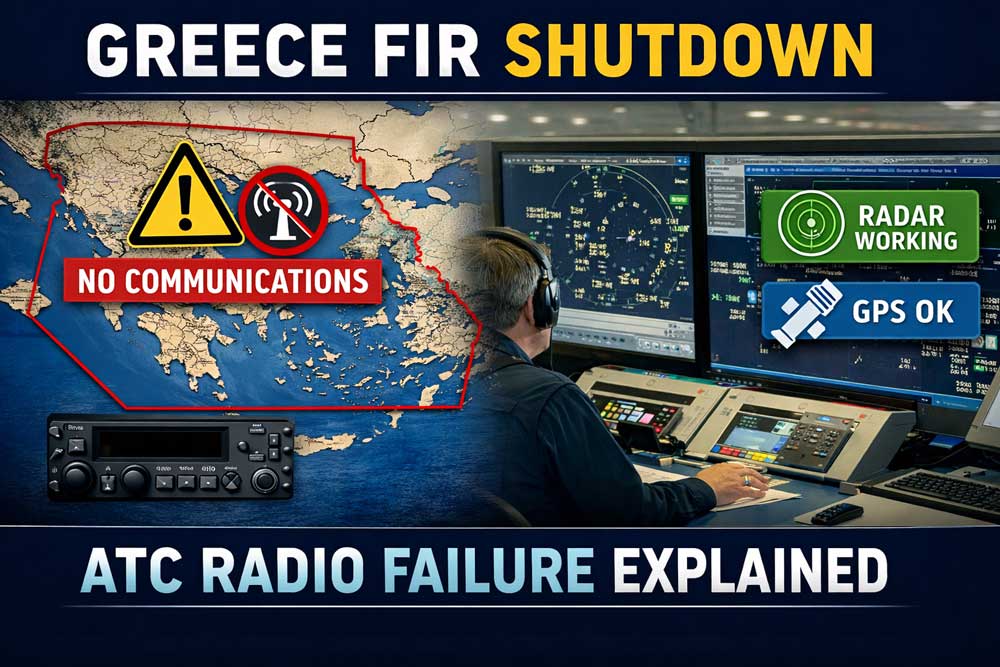
Recent headlines claimed that “Greece shut down its FIR”, immediately triggering speculation about jamming, electronic warfare, or even a GPS blackout.
None of that is true.
What actually occurred was a technical failure in air traffic control communications — a serious issue, but one that aviation systems are explicitly designed to handle safely and conservatively. Understanding this distinction matters because this is not a story of weakness or escalation — it’s a story of aviation safety working exactly as intended.
What a Flight Information Region (FIR) Really Is
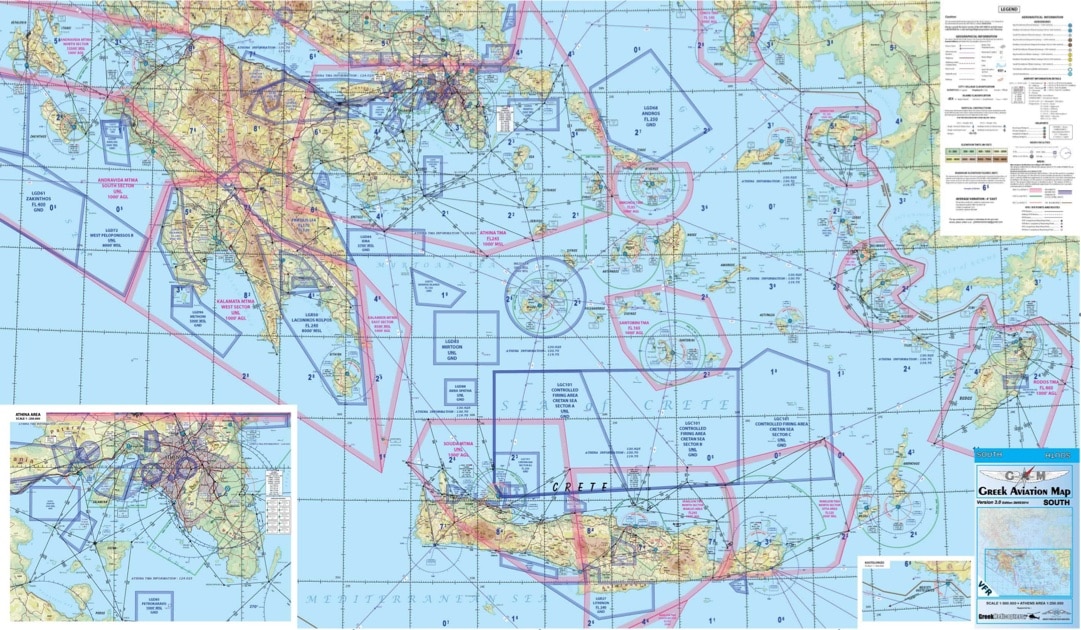
A Flight Information Region, or FIR, is often misunderstood. An FIR is not a physical system. It is not radar, not GPS, and not something that can be switched off or jammed. An FIR is an administrative responsibility area, defined by the International Civil Aviation Organization (ICAO), within which a state provides:
- Air traffic control services
- Communications
- Navigation assistance
- Surveillance
The Athens FIR, for which Greece is responsible, covers not only Greek airspace but also large areas of the Eastern Mediterranean. When an FIR “closes,” it does not mean airspace disappears — it means the state cannot legally guarantee all required services within that region.
What Actually Failed

The failure had nothing to do with radar or GPS. The core issue was a loss or severe degradation of ATC voice communications, specifically the VHF radio channels used by controllers to speak with pilots. Multiple frequencies simultaneously became unavailable or unreliable.
In controlled airspace, continuous two-way voice communication is mandatory. Without it:
- Clearances cannot be issued
- Instructions cannot be confirmed
- Legal ATC service cannot be provided
At that point, operations must stop.
Why Flights Had to Be Halted
A typical public reaction was:
“Couldn’t flights continue somehow?”
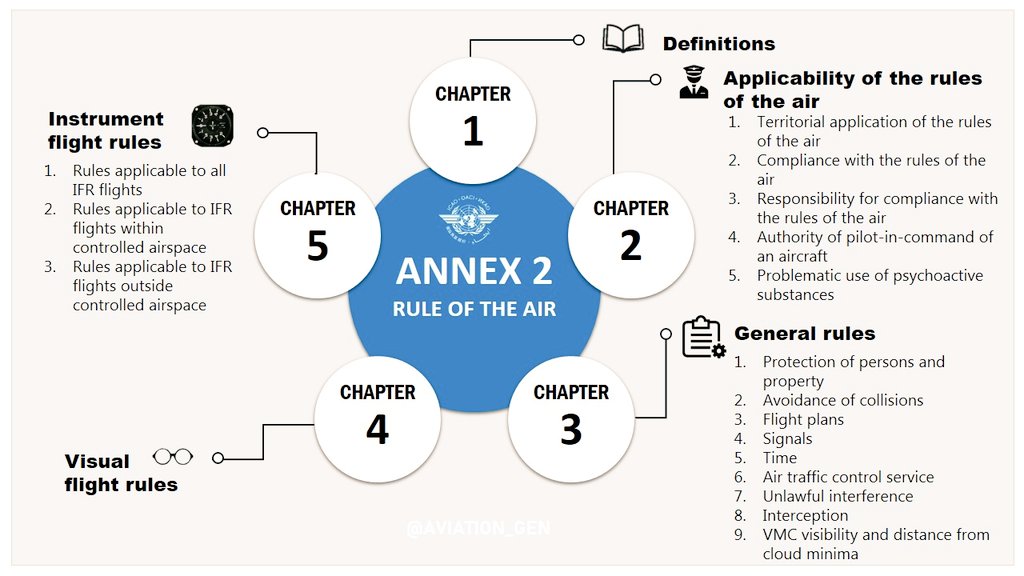
Under ICAO rules, the answer is NO.
If air traffic control cannot guarantee continuous communications:
- Departures must stop
- Arrivals must stop
- The airspace enters contingency operation status
This is not discretionary. It is mandatory. Greece followed the rulebook precisely — prioritizing safety margins over operational continuity.
What This Was Not

Let’s be explicit. This incident was not:
- FIR-wide radio jamming
- Electronic warfare
- A cyberattack
- A GPS outage
- A radar failure
Aircraft systems continued to function normally. Planes could still:
- Navigate using onboard systems
- Be tracked by surveillance radar
- Maintain separation
The missing element was the human voice link between controllers and pilots.
Likely Technical Causes
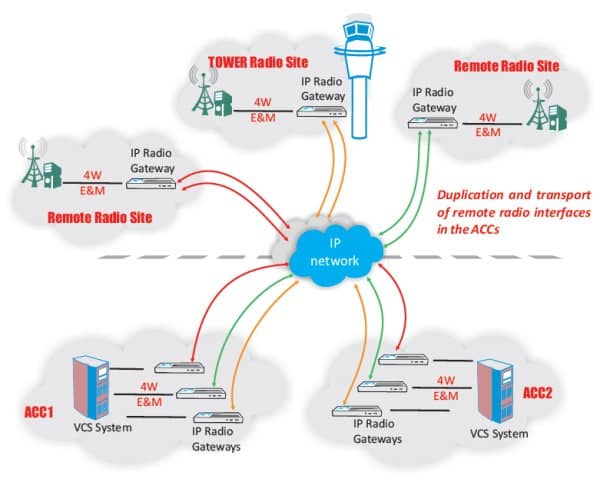
While official investigations take time, similar incidents worldwide usually trace back to one of three causes:
- Failure of the ATC Voice Communication System, which distributes audio across multiple radio sites
- Loss of backhaul connectivity to remote VHF transmitter locations, often in mountainous areas
- Insufficiently independent redundancy — where backup systems share hidden common failure points
These systems are complex, distributed, and often decades old. They rarely fail — but when they do, the failure can be system-wide.
Why Aircraft Already in the Air Were Safe
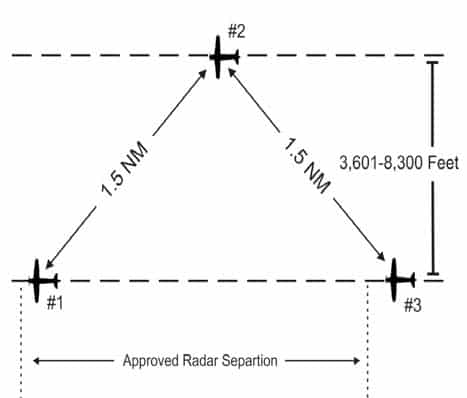
Aviation is designed to assume failures will happen. Aircraft already airborne followed established procedures:
- Last received clearance
- Increased separation
- Standard lost-communications protocols
Controllers responded by:
- Applying conservative spacing
- Reducing traffic density
- Making worst-case assumptions
As a result, the skies did not become dangerous — they became quiet.
Why It Looked Like “The FIR Was Shut Down”
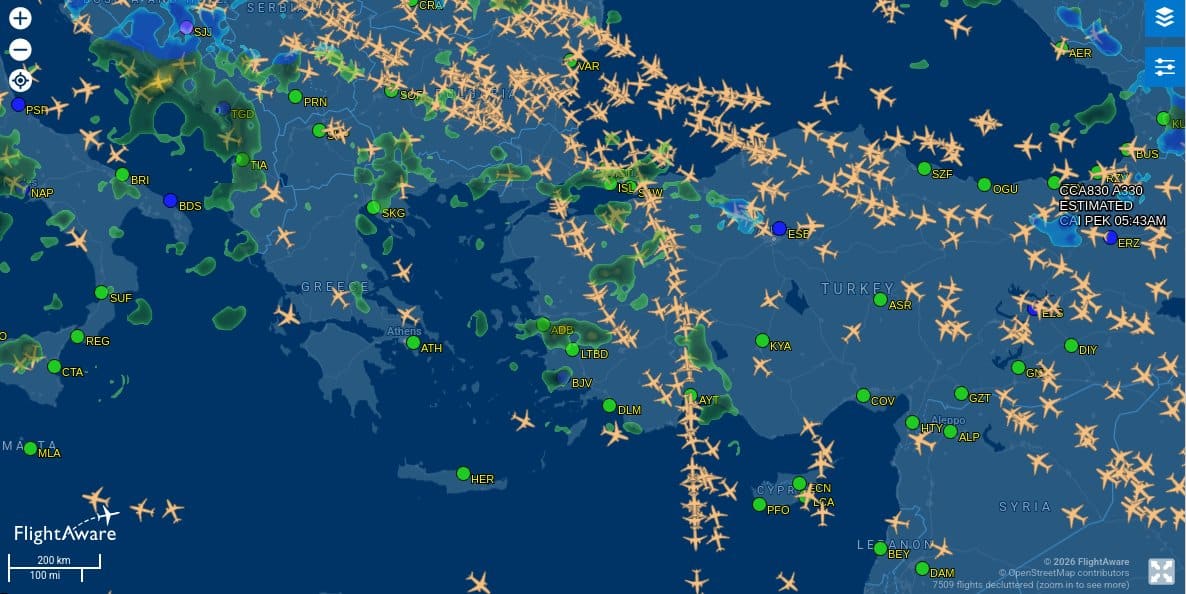
To the public, flight-tracking apps showed empty skies, mass cancellations, and diversions. This happens because aviation authorities issue FIR-wide restrictions when service guarantees cannot be met. This is not panic behavior. It is deliberate over-warning, built into the system to prevent ambiguity.
Final Takeaway
The facts are clear:
- Greece didn’t face a generic jamming attack on its FIR
- This was not electronic warfare
- A critical ATC voice communication failure occurred
- The operational shutdown was mandatory and correct
- Safety margins were never compromised
Modern aviation does not try to be unbreakable. It is designed to fail safely.
In this case, that design worked precisely as intended.
“Aviation safety isn’t about preventing every failure — it’s about ensuring failures never become accidents.”